


.jpeg?w=1500&h=800)
When to Plant Daisy
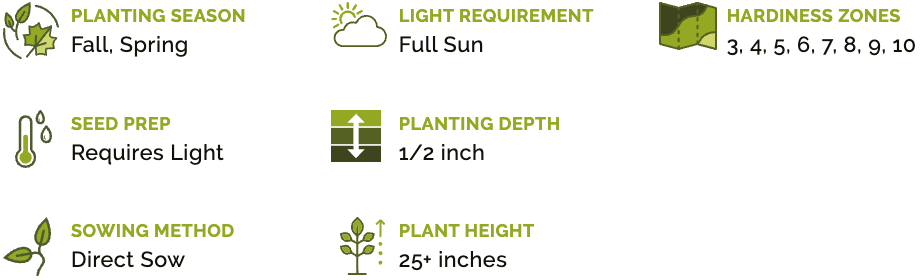
Daisies are nearly foolproof to cultivate and can be planted during spring, summer, or fall. Many gardeners opt to sow their daisy seeds directly into the garden soil.
Where to Plant Daisy
Select a sunny spot shielded from strong winds and ensure the soil is rich and well-drained. Consider mixing compost into your garden soil for added nutrients. Keep in mind that most daisies are perennial, typically blooming in their second year of growth as they establish their root system during the first year.
How to Plant Daisy
To plant daisy seeds, first, use a hoe or rake to lightly loosen the top layer of soil. Then, scatter the seeds evenly on the soil surface. Because daisy seeds require sunlight to sprout, it's essential not to bury them too deep. If birds are a concern, cover the seeds lightly with about 1/8 inch of soil. Press the seeds gently into the soil by stepping on them or using a roller for larger areas.
Keep the soil consistently moist until the seeds germinate, which typically takes around 14 days. If desired, you can apply a general fertilizer during the early growth stages and then monthly thereafter. Before the daisies bloom, switch to a high-phosphorus fertilizer to promote bigger and brighter flowers.
How to Care for Daisy
Daisies typically require average amounts of water, so be sure to supplement if your area doesn't receive enough rainfall. As daisies bloom and fade, it's important to deadhead the spent blooms to encourage the plant to produce a second, and sometimes even a third, blooming. Simply cut the stems below the foliage. Regular deadheading is crucial for this extra show of blooms.
Once your daisies are established, certain varieties can be separated by division every three to four years to prevent overcrowding. Dig up clumps and separate them into groups to replant. If you live in a cold climate, provide your daisies with a layer of mulch to protect them during the winter.